Seven Hills, NV · Clark County
Thermal Imaging Leak Detection in Seven Hills, NVHidden Water Leak Detection & Slab Leak Thermal Detection
In Seven Hills, Thermal Imaging Leak Detection covers hidden water leak detection, roof leak moisture mapping, and plumbing leak infrared inspection.
Answered 24/7
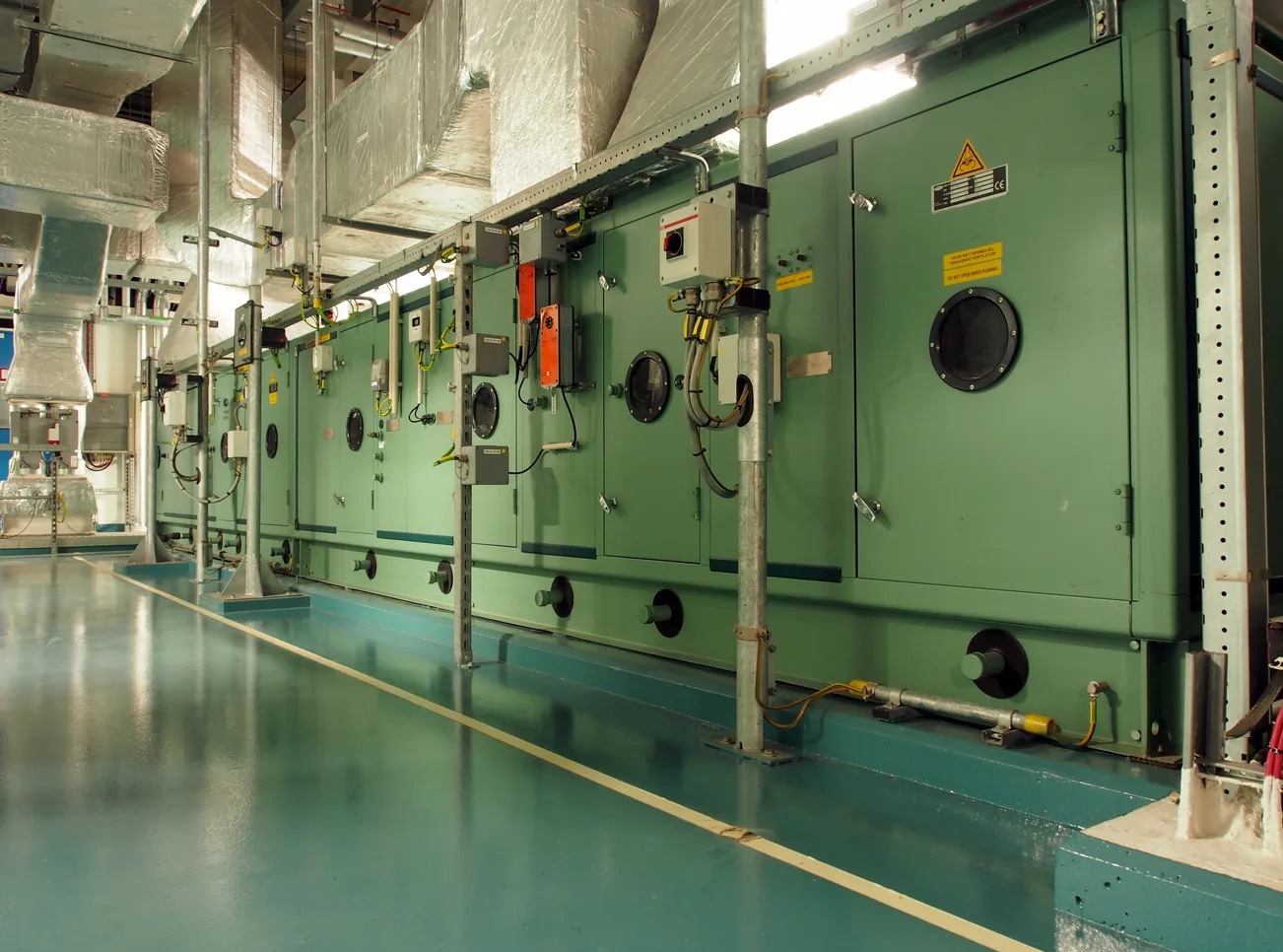
Professional Thermal Imaging Leak Detection in Seven Hills, NV
Wall and ceiling moisture scans can reveal hidden leaks from pipes or roofs in properties throughout the Seven Hills community in Henderson. Identifying these issues early through thermal imaging inspection often prevents more extensive water damage later.
Thermal imaging leak detection is a valuable service for properties in Seven Hills and nearby areas like Anthem, Silverado Ranch and Sun City MacDonald Ranch. Using infrared technology, local moisture mapping experts can identify hidden moisture from roof leaks or plumbing issues without invasive probing.
Advanced Thermal Imaging Leak Detection Solutions in Seven Hills
Hidden Water Leak Detection
Hidden water leaks can cause stains without an obvious source. The pros use infrared cameras to scan surfaces for moisture's thermal signature. This non-invasive method pinpoints the leak. Call (702) 878-3744 for detection in Seven Hills.
Slab Leak Thermal Detection
Suspected slab leaks demand precise location. Thermal detection creates a thermal image of the floor, highlighting areas affected by subsurface moisture.
Wall Ceiling Moisture Scans
Discoloration on walls and ceilings often hides larger moisture problems. A professional moisture scan uses thermal imaging to see beyond the surface, identifying water intrusion boundaries within the wall cavity.
Roof Leak Moisture Mapping
After a storm, ceiling stains may not line up with the roof breach. Pros use thermal imaging to trace water's path through the attic, locating every moisture pocket.
Moisture Intrusion Pathway Analysis
Thermal imaging traces water from where it entered to where it caused damage, showing failed flashing, seals or drainage.
Clues You Have a Leak Requiring Thermal Imaging Leak Detection in Seven Hills
Cracking or Efflorescence on Foundation
White chalky residue or cracks on a foundation slab can signal moisture, calling for thermal imaging inspection.
Wet Spots on Carpet Without Spills
Damp spots in carpet with no recent spill can point to a slab leak below.
Visible Mold Patches on Walls
Mold on drywall or baseboards means moisture inside the wall. The source has to be found before it is fixed.
Persistent Musty Odors in Rooms
A damp smell in one room that will not go away usually means moisture hidden in a wall, floor or ceiling.
How Thermal Imaging Leak Detection Works in Seven Hills
Step 1: Property Owner Consultation and Symptom Review
The pros start by listening to your concerns about water bills, odors, or stains to guide the inspection.
Step 2: Systematic Infrared Leak Detection Sweep
The pros sweep each room with a thermal camera to look for signs of hidden leaks.
Step 3: Pinpointing the Leak Source With Thermal Data
The thermal imaging data pinpoints the exact origin of the leak, whether it's a plumbing line, roof breach, or slab issue.
Step 4: Documentation for Repair and Insurance
Photos and thermal images are compiled to document the damage, providing evidence you can share with your repair contractor or insurer.
Common Causes for Thermal Imaging Leak Detection in Seven Hills
Poorly Sealed Windows and Doors
Improper sealing around windows and doors permits rainwater intrusion, leading to wall and ceiling moisture scans being needed.
Tree Root Intrusion Into Sewer Lines
Roots seeking moisture can invade and crack underground sewer pipes, causing slow, hidden leaks in the yard or slab.
Clogged or Damaged Gutters and Downspouts
Blocked gutters cause water to overflow and pool against a home's exterior, promoting moisture intrusion pathway analysis.
HVAC Condensate Drain Line Leaks
Clogged or cracked condensate lines from air conditioners can leak water inside walls or ceiling cavities.
Local Thermal Imaging Leak Detection for Every Property Type in Seven Hills
Residential Thermal Imaging Leak Detection
Wall and ceiling moisture scans in residences find leaks from plumbing runs or roof issues. This hidden water leak detection prevents mold growth and preserves drywall and insulation integrity.
Commercial Thermal Imaging Leak Detection
In offices and facilities, wall and ceiling moisture scans assess large interior spaces. Infrared leak detection helps manage building health and indoor air quality by finding concealed damp areas.
Comparing DIY Efforts to Thermal Imaging Leak Detection in Seven Hills
A property owner can visually inspect accessible plumbing under sinks and around appliances for drips or corrosion. Check for obvious water stains on ceilings or walls. If you find a small, accessible leak at a connection, you may tighten it. However, for moisture with no visible source, call the specialists for thermal imaging leak detection.
Thermal Imaging Leak Detection Cost in Seven Hills, NV
The cost of thermal imaging leak detection in Seven Hills depends on the extent of the suspected leak and the area needing inspection, along with the required documentation for your insurer.
Leak Complexity
Multiple suspected leak sources or hard-to-access areas like deep slab leaks increase the scope of the non-invasive leak detection process.
Moisture Extent
If scans find moisture spread widely through walls and ceilings, a fuller assessment adds to the cost.
Scan Documentation
Detailed reporting for insurance, including moisture mapping visuals and pathway analysis, adds to the project time for the pros.
Does Insurance Cover Thermal Imaging Leak Detection?
Coverage for finding a plumbing leak depends on your policy and the cause. The pros record the inspection for your insurer.
Reasons to Select Seven Hills Infrared Inspection Specialists for Leak Detection
Moisture Pathway Analysis
Experts analyze how water travels within structures, identifying secondary damage areas that may not be visibly wet.
Prevents Guesswork
Eliminates unnecessary exploratory demolition by accurately locating leaks behind walls, under slabs, or in ceilings.
Comprehensive Moisture Mapping
The process creates a visual map of affected areas, revealing the full extent of moisture spread behind surfaces.
Emergency Thermal Imaging Leak Detection for Seven Hills
If you suspect a hidden leak is causing damage right now, call (702) 878-3744 24/7 for a thermal imaging inspection of the area.
Call Now (702) 878-3744Thermal Imaging Leak Detection Near Seven Hills: Areas Served
Local pros perform non-invasive thermal leak detection for homes and buildings in Seven Hills and nearby locations like Anthem, Silverado Ranch and Sun City MacDonald Ranch.
- Thermal Imaging Leak Detection in Anthem
- Thermal Imaging Leak Detection in Silverado Ranch
- Thermal Imaging Leak Detection in Sun City MacDonald Ranch
- Thermal Imaging Leak Detection in Inspirada
- Thermal Imaging Leak Detection in Green Valley Ranch
- Thermal Imaging Leak Detection in Ascaya
- Thermal Imaging Leak Detection in MacDonald Highlands
- Thermal Imaging Leak Detection in McCullough Hills
Frequently Asked Questions About Thermal Imaging Leak Detection
When is slab leak thermal detection needed?
This service is used when a leak is suspected under a concrete foundation slab, as thermal imaging can detect the wet area's signature through the surface.
How does plumbing leak infrared inspection work?
The thermal camera scans walls and floors near plumbing lines, identifying cooler patterns that indicate water leakage from pipes within the structure.
How is hidden water leak detection different from traditional methods?
Traditional methods often involve guesswork and exploratory damage; thermal imaging provides visual evidence to locate leaks precisely before any repair work begins.
How do moisture mapping experts document findings for insurance?
They provide a detailed report with thermal images and moisture readings, following industry standards to create objective evidence for your claim submission.
What does moisture intrusion pathway analysis involve?
A moisture intrusion pathway analysis examines how water moves from a leak, which can help identify affected areas and potential secondary damage.