Centennial Hills, NV · Clark County
Roof Leak Water Removal in Centennial Hills, NVWet Contents Protection & Ceiling Water Damage Cleanup
Roof Leak Water Removal in Centennial Hills includes emergency roof tarping, ceiling water damage cleanup, wall cavity drying and wet contents protection.
Answered 24/7
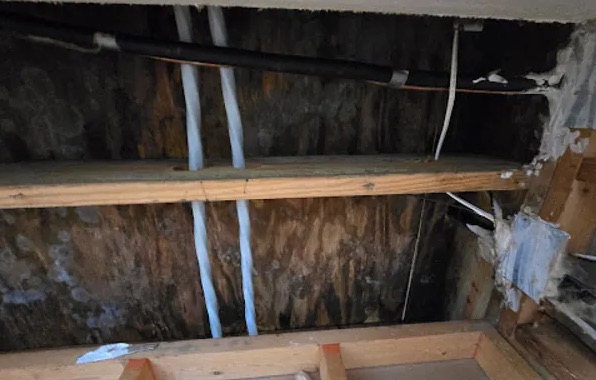
Roof Leak Water Removal in Centennial Hills, NV
Roof Leak Water Removal deals with the water that a roof leak puts inside the house: in the attic, on top of the ceiling, inside walls and on floors.
Roof leak water removal is available in Centennial Hills and nearby Tule Springs, Providence and Skye Canyon. The pros tarp the opening if needed, extract the water and dry the attic framing and ceiling drywall.
Attic and Ceiling Water Removal in Centennial Hills
Wet Contents Protection
Furniture, rugs and boxes under the leak are moved, blocked up or covered. Wet items are listed and photographed before they are dried or set aside.
Ceiling Water Damage Cleanup
Stained or sagging drywall is checked with a moisture meter. Sections that are soft or bowed are cut out so the cavity above can dry and the ceiling can be patched.
Leak Source Identification
Photos of the entry point, the wet decking and the path of the water give the roofer and your insurer a clear record of the leak.
Attic Water Extraction
The pros remove standing water from the attic first, because a ceiling holding water can sag and give way under the weight.
Wet Insulation Removal
Wet insulation loses its value and flattens. Removing it exposes the ceiling drywall and joists so air movers and dehumidifiers can reach them.
How to Tell Water Is Coming Through the Roof
Wet or Flattened Insulation
Insulation that is matted, stained or damp to the touch in the attic means rain is getting past the roof deck.
Dripping From a Light Fixture
Water dripping from a light or ceiling fan means it has pooled above the ceiling. Turn off that circuit and keep people clear.
Peeling Paint on Upper Walls
Bubbling or peeling paint near the ceiling line on exterior walls points to water running down inside the wall.
Damp Baseboards on Exterior Walls
Wet or swelling baseboards under a ceiling stain mean water has traveled down the wall cavity from the attic.
How Roof Leak Water Removal Works in Centennial Hills
Step 1: Safety Check
Power to wet ceiling fixtures is shut off and sagging areas are marked so no one walks under them during the work.
Step 2: Roof Tarp and Extraction
The roof is tarped if rain is still possible, then water is removed from the attic, ceiling cavities and floors.
Step 3: Drying Setup
Dehumidifiers and air movers are placed in the attic and the rooms below so both levels dry at the same time.
Step 4: Final Readings
When the wood and drywall read dry, equipment is removed and the roofer and drywall repairs can be scheduled.
Why Water Gets Into the Attic in Centennial Hills
Clogged Gutters
Leaves and debris in gutters make water back up at the roof edge, where it seeps under shingles and into the soffit and walls.
Nail Pops and Old Penetrations
Nails that back out and holes left from old dishes or antennas open small paths for water that grow with each storm.
Skylight Seals
Skylight gaskets and curb flashing wear out, and water runs into the shaft and down the drywall around the opening.
Worn Flashing
Flashing around chimneys, skylights and wall joints can crack, rust or pull loose, and water runs in along the gap.
Roof Leaks in Centennial Hills Homes and Commercial Buildings
Residential Roof Leak Water Removal
In older Centennial Hills homes, leaks often follow old chimney chases or plaster ceilings. The pros check these areas closely because plaster holds water longer than drywall.
Commercial Roof Leak Water Removal
Warehouses and shops with large roof areas can have several leaks at once. The pros map each wet area, extract water and dry the structure section by section.
What You Can Do Before Help Starts on a Roof Leak
Fans and a household dehumidifier help a damp room, but they rarely dry an attic or a soaked ceiling. Wet insulation needs to come out first.
Pricing Roof Leak Water Removal in Centennial Hills
Leaks found early cost less to clean up. Water that sat for a long time can mean more drywall and insulation to replace and longer drying.
Insulation Removal
Bagging and hauling soaked insulation takes labor, and the attic needs new insulation once the framing is dry.
Emergency Tarping
If the roof needs a tarp before drying can start, the materials and labor for that step add to the bill.
How Long It Leaked
A leak caught during the first storm usually means less wet material than one that has been dripping into the attic for weeks.
Does Insurance Cover Roof Leak Water Removal?
Call your insurer soon after you find the leak. Photos of the ceiling, attic and roof, plus the moisture readings, help the adjuster review the claim.
Why Call Local Pros for Roof Leak Water Removal in Centennial Hills
Wet Insulation Handled
Soaked insulation is bagged and removed so the ceiling and framing can dry instead of staying damp under it.
Safe Attic Work
The pros know how to move through an attic on the framing and handle wet ceilings without bringing them down.
One Job, Start to Finish
Tarping, extraction, insulation removal and drying happen in order, so each step is not left waiting on another company.
Emergency Attic Water Removal in Centennial Hills
Roof leaks get worse with every hour of rain. Call (702) 878-3744 any time for tarping, attic extraction and drying in Centennial Hills.
Call Now (702) 878-3744Roof Leak Water Removal Services Throughout Clark County
Other places served are listed below, each with its own page.
- Roof Leak Water Removal in Tule Springs
- Roof Leak Water Removal in Providence
- Roof Leak Water Removal in Skye Canyon
- Roof Leak Water Removal in Iron Mountain Ranch
- Roof Leak Water Removal in Desert Shores
- Roof Leak Water Removal in Gibson Springs
- Roof Leak Water Removal in Pittman
- Roof Leak Water Removal in Sun City Summerlin
Questions About Roof Leak Water Removal
Does a stained ceiling always need to be replaced?
No. If moisture readings show the drywall is firm and dries out, it can often stay and be primed and painted. Soft or sagging sections are replaced.
What is roof leak water removal?
It is the work of getting rainwater out of the attic, ceiling, walls and floors after a roof leak and drying the structure. The roof repair itself is done by a roofer.
Why does wet insulation have to come out?
Wet insulation stays damp for a long time, holds water against the ceiling and framing, and stops insulating. Removing it lets the attic dry.
What happens after the water is removed?
Drying equipment runs and the pros take readings until the attic and ceiling are dry. Then the roofer and drywall repairs can go ahead.
Can a roof leak cause mold in the attic?
Yes, if the wood and insulation stay wet. Prompt extraction and drying, plus removing soaked insulation, keep the attic from staying damp long enough for mold.