Buffalo, NV · Clark County
Damage Restoration Services in Buffalo, NVMold Remediation Services & Structural Drying Services
Damage Restoration Services in Buffalo run from emergency water extraction and storm damage repair to structural drying services.
Answered 24/7
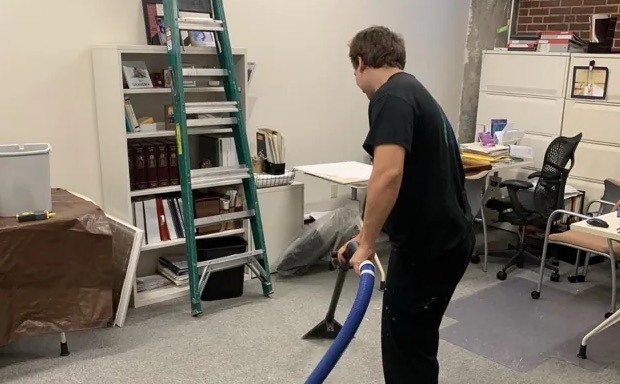
Trusted Damage Restoration Services for Buffalo Properties
After a fire in Buffalo, much of the damage in nearby rooms comes from water used by firefighters and sprinklers. That water soaks ceilings, walls and floors that the fire never touched.
In Buffalo, The Lakes, Westwood and Canyon Gate, water left after firefighting often causes as much damage as the fire. Local water damage restoration specialists extract that water and dry the rooms around the fire.
Damage Restoration Services Available for Buffalo
Mold Remediation Services
The moisture source is found and stopped first, since mold returns if the area keeps getting wet.
Structural Drying Services
Air movers and dehumidifiers dry walls, subfloors and framing after extraction, with readings taken daily until each material is normal.
Emergency Water Extraction
Extraction removes the bulk of the water quickly, which shortens drying time and limits how much flooring and drywall must be replaced.
Storm Damage Repair
Storm water from outside is treated as contaminated, so soaked porous materials are removed before drying.
Fire Sprinkler Water Cleanup
Wet, soiled carpet and drywall from firefighting water are removed, and the remaining structure is dried and checked with readings.
Warning Signs You Need Damage Restoration Services in Buffalo
Persistent Dampness in Carpets
Carpet that stays damp days after a spill or leak is holding water in the pad.
Active Water Drips or Pools
Dripping water or pooling on floors means an active leak that needs attention now.
Sagging Drywall or Ceilings
Drywall or ceilings that sag are holding water and can fail. Keep people clear.
Unexplained Musty Odors
A musty smell with no clear source often means hidden moisture in walls, floors or the ceiling.
How Damage Restoration Services Work in Buffalo
Step 1: Initial Inspection and Scope
The type of water, the rooms affected and any damage to floors below are recorded.
Step 2: Water and Debris Removal
Water, mud and wet debris are cleared so drying equipment can be placed.
Step 3: Drying Process
Wall cavities, subfloors and ceilings get directed airflow, adjusted as readings change.
Step 4: Final Cleaning and Repair Prep
The area is cleaned and a list of needed repairs is provided for the contractor.
Common Causes of Water Damage in Buffalo
Accidental Overflow Incidents
Tubs, sinks and toilets left running overflow into the room and the floor below.
Sewer Line Backups
Blocked sewer lines push wastewater up through floor drains, tubs and toilets on lower floors.
Roof Leaks and Compromises
Damaged shingles, flashing and roof vents let rain into attics and ceilings.
Plumbing System Failures
Burst pipes, failed fittings and leaking supply lines release water inside walls and floors.
Property Damage Restoration Services for All Sectors in Buffalo
Residential Damage Restoration Services
In homes, water damage usually affects kitchens, bathrooms, bedrooms and the ceilings below them. Water is extracted, materials dried and families told which rooms they can use during drying.
Commercial Damage Restoration Services
In businesses, water damage can close the doors. Extraction and drying are planned around business hours, and wet areas are closed off so the rest of the space can stay open.
Leave Damage Restoration Services to the Local Pros
A small spill on a hard floor can be mopped up and dried with a fan. Water in carpet pad, wall cavities or subfloors needs extraction and drying equipment.
Factors Influencing Damage Restoration Services Cost in Buffalo, NV
In Buffalo, water extracted the same day usually costs much less to dry and repair than water left to soak for days.
Material Disposal Needs
Contaminated or ruined materials must be bagged and disposed of, which adds handling fees.
Extent of Damage
More rooms and materials affected means more extraction, more removal and more drying time.
Post-Restoration Repairs
Drywall, flooring and other repairs after drying are separate from the water removal cost.
Does Insurance Cover Damage Restoration Services?
Photograph the water, the source and damaged belongings before cleanup starts, and keep receipts for emergency extraction and drying equipment.
Advantages of Hiring Local Pros for Damage Restoration Services in Buffalo
Repair Planning
Records of what was removed and dried help the contractor plan repairs after drying.
Damage Assessment
The whole affected area is checked, including rooms next to and below the source.
Moisture Detection
Meters and thermal cameras find water hidden in walls, floors and ceilings.
Always Available Emergency Damage Restoration Services
The faster water is removed, the more of your home can be saved. Call (702) 878-3744 for damage restoration services in Buffalo as soon as you find it.
Call Now (702) 878-3744Damage Restoration Services Coverage for the Buffalo Region
Other places served are listed below, each with its own page.
- Damage Restoration Services in The Lakes
- Damage Restoration Services in Westwood
- Damage Restoration Services in Canyon Gate
- Damage Restoration Services in Queensridge
- Damage Restoration Services in Peccole Ranch
- Damage Restoration Services in Solera
- Damage Restoration Services in Sunrise Manor
- Damage Restoration Services in Desert Inn Estates
FAQs About the Damage Restoration Services Process
How do restoration pros find hidden moisture?
With moisture meters and thermal cameras that show water inside walls, under floors and above ceilings.
Why is quick action critical for water damage?
Materials absorb more water every hour, and mold becomes more likely after a day or two.
What is controlled removal during water damage restoration?
Cutting out only the drywall, flooring or insulation that readings show cannot be dried in place.
How are belongings tracked during water damage restoration?
Items are photographed and listed by room, noting what was cleaned, stored or discarded.
How are odors handled after water damage?
By removing wet materials and drying the structure fully. Deodorizing is used if a smell remains.