Providence, NV · Clark County
Commercial Water Damage Restoration in Providence, NVRestaurant Flood Cleanup & Warehouse Water Extraction
Commercial Water Damage Restoration in Providence includes restaurant flood cleanup, retail store water removal and commercial ceiling water damage.
Answered 24/7
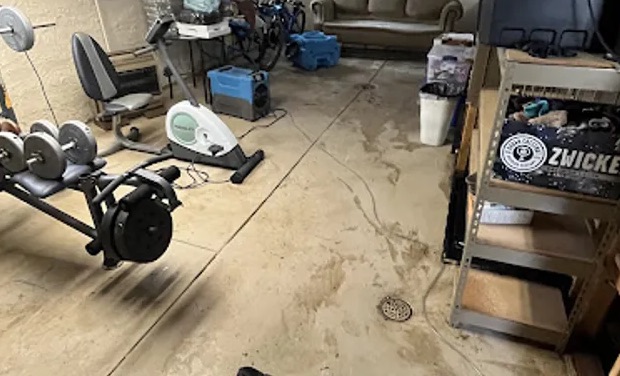
Local Commercial Water Damage Restoration for Providence Businesses
Commercial Water Damage Restoration in Providence ends when readings across the space confirm the building is dry. Then ceilings, walls and flooring can be repaired without trapping moisture.
For businesses in Providence, part of Las Vegas, flat roofs and rooftop units are common sources of ceiling leaks. Help with commercial water damage restoration covers Providence, Skye Canyon, Kyle Canyon and Centennial Hills.
Commercial Water Damage Restoration Services in Providence
Restaurant Flood Cleanup
Walk-in coolers, floor drains and dish areas are common leak points. Water around them is extracted and the walls behind are dried.
Warehouse Water Extraction
Pallets, racking and stock sitting in water are moved or raised first, so extraction can reach the slab underneath.
Commercial Ceiling Water Damage
Wet drop ceiling tiles are removed, the space above is dried and leaks from roofs, sprinklers or rooftop units are traced.
Retail Store Water Removal
Retail cleanup is planned to reopen the sales floor quickly, with wet areas closed off while drying continues.
Commercial Mold Prevention
After drying, drywall bases, framing and ceiling cavities that stayed damp can be cleaned and treated before they are closed.
Signs of Commercial Water Damage in Providence
Stained Drop Ceiling Tiles
Drop ceiling tiles that sag, stain or crumble have soaked up water from above.
Water Pooling Under Equipment
Water pooling under coolers, beverage machines or other equipment points to a leak or drain problem.
High Humidity Readings
High humidity readings in a space can mean wet materials are releasing moisture.
Condensation on Windows
Water forming on windows inside a building can mean too much moisture in the air from a leak.
How Commercial Water Damage Restoration Works in Providence
Step 1: Water Containment
Wet areas are closed off and water is kept from spreading into dry parts of the building.
Step 2: Water Extraction
High-capacity extractors and pumps remove water from carpet tiles, concrete and stockrooms.
Step 3: Ceiling and Wall Work
Wet drop tiles come down, and soaked drywall at the base of walls is opened so it can dry.
Step 4: Humidity Control and Monitoring
Dehumidifiers keep humidity in range while readings track drying across the space.
What Causes Commercial Water Damage?
Overflowing Sinks or Toilets
Restroom sinks and toilets overflow, sending water into hallways and the floor below.
Appliance or Equipment Failures
Beverage machines, dishwashers, coolers and water heaters leak in kitchens and break rooms.
Foundation Cracks and Seepage
Foundation cracks let groundwater seep into lower floors and slabs during wet weather.
Roof Leaks During Storms
Flat and low-slope commercial roofs leak during storms, often at drains and seams.
Commercial Water Damage Restoration for Offices and Stores
Residential Water Damage Restoration
Residential drying equipment is sized for individual rooms and hallways, and a house usually dries with a modest number of units.
Commercial Water Damage Restoration
Commercial drying often needs high-capacity extractors and large dehumidifiers to dry open floors, warehouses and multi-story buildings in a reasonable time.
Hiring Local Pros for Commercial Water Damage Restoration vs. Handling It Yourself
Staff can shut off water at the nearest valve, move stock and electronics off the floor and keep customers away from wet areas. Call local commercial water removal experts for anything beyond a small spill.
Understanding Commercial Water Damage Restoration Pricing
Repairs to roofs, plumbing and building systems are separate from water removal and drying. In Providence, both are usually needed.
Affected Square Footage
Large commercial spaces need more extraction, more equipment and more drying time.
Content Restoration
Separating, drying and documenting stock and contents adds labor to the job.
Mold Prevention Measures
Antimicrobial treatment of materials that stayed wet is an added step priced by area.
Does Insurance Cover Commercial Water Damage Restoration?
In leased spaces, the landlord's policy may cover the building while the tenant's covers stock and improvements. Notify both early.
The Value of Professional Commercial Water Damage Restoration
Commercial Extraction Equipment
High-capacity extractors and large dehumidifiers dry big open spaces much faster than standard units.
Detailed Damage Documentation
Photos, readings and stock lists are kept to support insurance and business interruption claims.
Moisture Detection
Meters and thermal cameras find water hidden in walls, ceilings and slabs across large spaces.
Emergency Commercial Water Damage Response
Sprinkler discharge or a roof leak soaking your business space? Call (702) 878-3744 now for commercial water damage restoration in Providence and get extraction started.
Call Now (702) 878-3744Local Commercial Water Damage Restoration Service Area
Each place listed below has its own page with local details.
- Commercial Water Damage Restoration in Skye Canyon
- Commercial Water Damage Restoration in Kyle Canyon
- Commercial Water Damage Restoration in Centennial Hills
- Commercial Water Damage Restoration in Sun City Summerlin
- Commercial Water Damage Restoration in Tule Springs
- Commercial Water Damage Restoration in Ascaya
- Commercial Water Damage Restoration in Fairview
- Commercial Water Damage Restoration in Henderson (Green Valley)
FAQ: Commercial Water Damage Restoration in Providence
What is the goal of commercial drying services?
To dry the building fully and quickly so it can reopen without trapped moisture in walls, floors or ceilings.
What steps help prevent microbial growth after commercial water removal?
Fast drying, humidity control and treating materials that stayed wet with an antimicrobial after drying.
What is the first step in emergency water removal for businesses?
Stopping the source and making the area safe, then protecting stock and equipment before extraction begins.
What methods are used for warehouse water extraction in large facilities?
Pumps and high-capacity extractors for the slab, plus large dehumidifiers and many air movers for drying.
What are the risks of delayed commercial flood cleanup?
Longer closures, more damaged stock and materials, odors and a higher risk of microbial growth.