Queensridge, NV · Clark County
Clean Water Extraction (Category 1) in Queensridge, NVEmergency Water Mitigation & Standing Water Pump Out
Clean Water Extraction (Category 1) in Queensridge covers standing water pump out, wet carpet water extraction and hard surface floor drying.
Answered 24/7
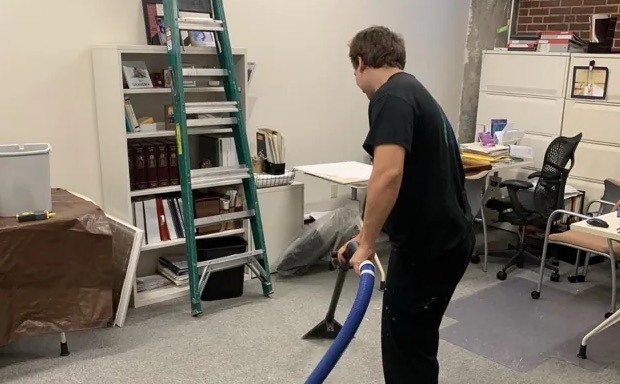
Professional Clean Water Extraction (Category 1) in Queensridge, NV
Clean water from a pipe in the ceiling or floor above can soak a room below in Queensridge. The ceiling may bulge with water before it starts to drip.
In Queensridge, Peccole Ranch, Canyon Gate and Summerlin North, clean water damage handled fast usually means carpet and drywall can be saved. The pros start extraction as soon as the source is off.
The Clean Water Extraction (Category 1) Process for Properties in Queensridge
Emergency Water Mitigation
Mitigation is everything done to stop the damage from growing: shutting off the water, extracting it, moving belongings and starting drying.
Standing Water Pump Out
Standing water from a supply line or appliance is pumped out with submersible pumps when it is more than shallow, then floors are extracted.
Wall Cavity Water Extraction
Wet insulation in the wall cavity is pulled out so studs can dry. Drywall wet from clean water can often stay.
Clean Water Removal From Flooring
Floors are dried until readings match unaffected areas, so new flooring or refinishing does not trap moisture.
Appliance Leak Water Cleanup
Clean appliance water dried quickly usually leaves cabinets and flooring in good shape. Readings confirm when the area is dry.
When to Call for Clean Water Extraction (Category 1) in Your Queensridge Home
High Indoor Humidity
A room that feels damp or fogs windows after a leak still has wet materials releasing moisture.
Damp Hardwood or Tile Floors
Hardwood or tile that feels damp, or grout that stays dark, has water soaking in or underneath.
Musty Odors After a Leak
A musty smell a day or two after a leak means water is still trapped in carpet, walls or subfloor.
Water Stains on Ceilings
A new stain on the ceiling usually means clean water from a pipe or fixture above.
How Clean Water Extraction (Category 1) Works in Queensridge
Step 1: Containment and Content Protection
Furniture is moved or blocked up, and dry rooms are protected from the spreading water.
Step 2: High-Volume Water Extraction
Pumps and extractors pull water from floors, carpet and under cabinets and appliances.
Step 3: Applied Structural Drying
Air movers and dehumidifiers dry walls, floors and framing, adjusted as readings drop.
Step 4: Final Clearance Readings
Readings across the area are compared to dry rooms before equipment is removed.
Common Causes of Clean Water Damage in Queensridge
Overflowing Sinks or Tubs
Sinks and tubs left running overflow with clean water onto floors and into rooms below.
Hydrostatic Pressure in Slabs
Groundwater pressure under a slab can push clean water up through cracks in the floor.
Supply Line Breaks
Toilet, faucet and appliance supply lines split or loosen and release water under pressure.
Appliance Malfunctions
Washers, dishwashers and refrigerators fail at hoses and fittings and leak onto the floor.
Clean Water Extraction (Category 1) in Queensridge: Residential and Commercial
Residential Clean Water Extraction (Category 1)
Families can usually stay home during drying, using unaffected rooms. The pros explain where equipment will go and how long it will run.
Commercial Clean Water Extraction (Category 1)
Restaurants and medical offices need clean water extracted quickly and floors dried so they meet the cleanliness rules for those spaces.
Clean Water Extraction (Category 1) vs. DIY Cleanup in Queensridge
Do not walk into standing water if outlets or cords are submerged. Turn off power at the panel only if you can reach it from a dry spot, then call for help.
Understanding Clean Water Extraction (Category 1) Cost in Queensridge
Clean water extracted the same day in Queensridge usually costs much less to dry than water left until it soaks into walls and subfloors.
Equipment Needs
The number of air movers, dehumidifiers and pumps needed, and for how long, drives much of the cost.
Access and Complexity
Crawl spaces, tight closets and areas under cabinets take more work to reach and dry.
Affected Square Footage
More square feet of wet flooring and walls means more extraction and more drying equipment.
Does Insurance Cover Clean Water Extraction (Category 1)?
The failed appliance or pipe itself is often not covered, even when the water damage is. Ask your adjuster how your policy treats each.
Advantages of Hiring Local Pros for Clean Water Extraction (Category 1) in Queensridge
Moisture Detection
Meters and thermal cameras find clean water hidden under floors and inside walls.
Detailed Damage Documentation
Photos, readings and drying logs are kept to support your insurance claim.
Drying Plan
Drying follows a set plan based on readings, with equipment moved as each area dries.
Emergency Clean Water Extraction (Category 1) Response for Queensridge
Water spreading from a pipe or appliance in Queensridge? Shut off the water, move belongings and call (702) 878-3744. Help is available 24/7.
Call Now (702) 878-3744Local Clean Water Extraction (Category 1) Areas Including Queensridge
Other places served are listed below, each with its own page.
- Clean Water Extraction (Category 1) in Peccole Ranch
- Clean Water Extraction (Category 1) in Canyon Gate
- Clean Water Extraction (Category 1) in Summerlin North
- Clean Water Extraction (Category 1) in The Lakes
- Clean Water Extraction (Category 1) in Buffalo
- Clean Water Extraction (Category 1) in Aliante
- Clean Water Extraction (Category 1) in Spring Valley
- Clean Water Extraction (Category 1) in Buffalo Ranch
Your Clean Water Extraction (Category 1) Questions Addressed
How quickly should standing water be removed?
Right away. Clean water soaks into materials within hours and can become contaminated if it sits for more than a day or two.
What methods are used for water behind walls?
Small holes or removed baseboards let air into the cavity, wet insulation is removed and the wall is dried until readings are normal.
What happens after the water is pumped out?
Carpet and floors are extracted, walls and subfloors are checked with meters and drying equipment runs until readings are normal.
What is involved in hard surface floor drying?
Extracting water from tile, concrete or wood, checking grout and seams for water underneath and drying with air movers and dehumidifiers.
How is moisture detected after water extraction?
Moisture meters and thermal cameras check floors, walls and ceilings, comparing readings to dry, unaffected areas.