Whitney, NV · Clark County
Basement Water Removal in Whitney, NVBasement Wall Drying & Basement Floor Water Damage
Get basement water removal in Whitney for emergency basement flooding, basement water pump out and basement floor water damage.
Answered 24/7
Basement Water Removal Solutions for Whitney Homeowners
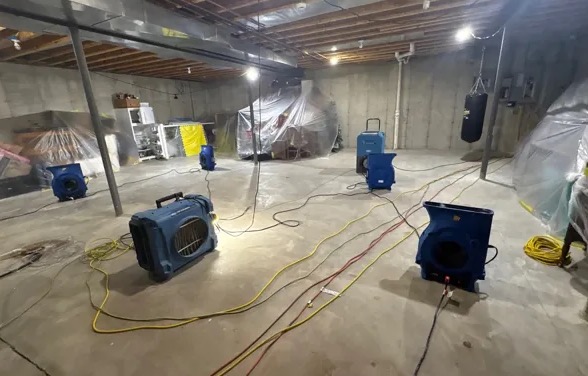
A basement that looks dry a day after a flood in Whitney can still hold a lot of water in the slab, the bottom of the walls and under flooring. That hidden water causes the musty smell many basements have.
Basements are uncommon in Whitney. The same extraction and drying steps apply to slab-level rooms, sunken dens and garages that take on water.
In Whitney, when a basement or below-grade room takes on water, it usually follows heavy rain, a sewer backup or a burst pipe. Local water damage pros serve Whitney, Solera, Desert Inn Estates and Pittman, pumping water out and drying the space.
Comprehensive Basement Water Removal Solutions
Basement Wall Drying
Basement walls are checked with moisture meters. Wet drywall is cut back above the water line, and insulation behind it is removed.
Basement Floor Water Damage
Flooring that buckled or swelled is removed. Tile and sealed concrete can often be cleaned and dried in place.
Basement Water Pump Out
A pump-out removes standing water from the basement with submersible pumps, discharging it outside and away from the foundation.
Basement Drying Services
Equipment stays until the basement reads dry, not just until it looks dry. Removing it early lets dampness return.
Basement Dehumidification
After drying, a household dehumidifier may still be needed to keep basement humidity in a healthy range.
Warning Signs You Need Basement Water Removal
Standing Water in Basement
Standing water anywhere on the basement floor needs to be pumped out before it soaks the walls.
Water Stains on Walls or Ceiling
Stains on lower walls or the ceiling below a bathroom or kitchen point to a leak.
Musty Odors and Mold Smell
A musty or damp smell in the basement points to wet materials hidden somewhere in the space.
High Humidity and Condensation
Water on pipes and windows, or a constantly clammy feel, means basement humidity is too high.
How Basement Water Removal Works in Whitney
Step 1: Source Control and Water Pump Out
The leak is shut off and standing water is pumped out, starting at the lowest point.
Step 2: Water Extraction
Extractors pull water from carpet, pad and concrete, and wet vacs clear corners and stairs.
Step 3: Dehumidification and Drying
Large dehumidifiers and air movers dry walls, framing and slab over several days.
Step 4: Inspection and Clearance for Repair
Final readings confirm the basement is dry and ready for drywall and flooring repairs.
Common Causes of Basement Water Damage in Whitney
Foundation Cracks and Seepage
Cracks in foundation walls and the slab let groundwater seep in during wet weather.
Clogged or Damaged Gutters
Clogged gutters and short downspouts dump roof water right next to the foundation.
Window Well Leaks and Drainage
Window wells without drains or covers fill with rain and leak through the windows.
Plumbing Leaks or Pipe Bursts
Supply lines, drain pipes and water heaters in the basement can leak or burst onto the floor.
Professional Basement Water Removal for All Properties
Residential Basement Water Removal
Families should keep children and pets away from basement water until power is safe and the type of water is known.
Commercial Basement Water Removal
In restaurants and shops, basement water near food or stock storage needs fast removal and cleaning before those areas are used again.
Basement Water Removal vs. DIY: When to Call the Pros
Checking appliance hoses and extending downspouts away from the house are good DIY steps before storm season. Once the basement floods, call (702) 878-3744 for help.
Investing in Professional Basement Water Removal
In Whitney, the drying phase usually costs more than the pumping, because basements need equipment running for several days.
Contamination Level
Sewage or dirty water needs protective gear, removal and disinfection, which costs more.
Affected Materials
Finished walls, carpet and laminate take more removal work than bare concrete.
Basement Square Footage
Larger basements need more extraction, more drying equipment and more days of drying.
Does Insurance Cover Basement Water Removal?
Ask your adjuster early how your policy treats seepage and sewer backups, since many policies limit or exclude both kinds of water.
The Value of Professional Basement Water Removal
24/7 Emergency Response
Help is available day or night when water is rising in the basement.
Focus on Drying Outcomes
Drying continues until readings are normal, not just until surfaces look dry.
Contamination Safety Protocols
Sewage and dirty water are handled with protective gear, containment and disinfection.
24/7 Basement Water Removal When You Need It
Storm night, weekend or holiday, local water damage pros handle basement water in Whitney. Call (702) 878-3744 to get pumps running and drying started.
Call Now (702) 878-3744Basement Water Removal Throughout Clark County
Other places served are listed below, each with its own page.
- Basement Water Removal in Solera
- Basement Water Removal in Desert Inn Estates
- Basement Water Removal in Pittman
- Basement Water Removal in Gibson Springs
- Basement Water Removal in Tuscany Village
- Basement Water Removal in Eldorado
- Basement Water Removal in Nellis AFB
- Basement Water Removal in Paradise
Basement Water Removal FAQs
What causes basement floor water damage?
Storm seepage, burst pipes, appliance leaks, foundation cracks and sewer backups through floor drains are the usual sources.
What happens during basement moisture control?
Dehumidifiers and air movers keep humidity low while materials dry, and readings confirm when the space is normal.
Can I dry my basement myself with fans?
Fans help with surface water, but walls and concrete need dehumidifiers and readings to dry fully.
What equipment is used for basement water extraction?
Submersible pumps, extractors, wet vacs, air movers, large dehumidifiers and moisture meters to confirm drying.
How does a basement moisture inspection work?
Moisture meters and thermal cameras check walls, floors and the slab, including behind finished walls and under flooring.