Spring Valley, NV · Clark County
Attic Water Damage Restoration in Spring Valley, NVCeiling Water Damage Cleanup & Roof Leak Water Removal
Attic Water Damage Restoration in Spring Valley runs from roof leak water removal and attic leak water cleanup to attic drying services.
Answered 24/7
Local Attic Water Damage Restoration for Spring Valley Homes
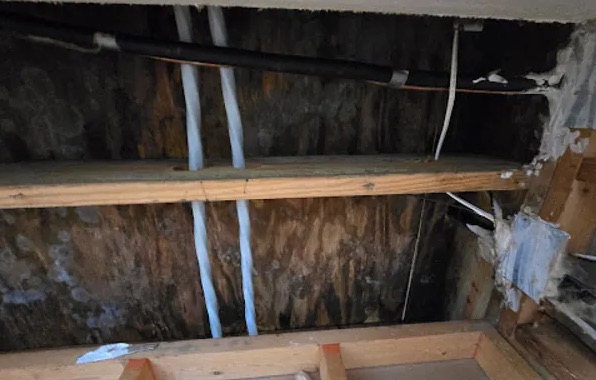
Most attic water damage starts at the roof, but it ends up on the ceiling. In Spring Valley, a leak around flashing, a vent or damaged shingles can soak insulation and decking for weeks before a stain shows up in the room below.
Homeowners in Spring Valley can call (702) 878-3744 day or night when water is dripping from the ceiling. Service also covers Spanish Trail, Buffalo Ranch and Rhodes Ranch, with the same attic inspection and drying process.
Detailed Attic Water Damage Restoration Solutions
Ceiling Water Damage Cleanup
Damaged ceiling drywall below the attic is removed, the cavity is dried, and the ceiling is ready for patching once readings are normal.
Roof Leak Water Removal
A tarp can be placed over the damaged roof section to stop more rain from getting in while drying begins below.
Attic Leak Water Cleanup
Leak cleanup in an attic means working between joists and around ducts, wiring and insulation, removing water from every spot it pooled.
Attic Drying Services
Equipment is placed on boards or platforms in the attic so it can run safely without stressing the ceiling drywall.
Attic Moisture Inspection
Moisture meters and thermal cameras check decking, rafters, insulation and the ceiling below to find every wet area.
Indicators for Emergency Attic Water Removal
Crumbling Drywall Tape
Ceiling drywall tape that bubbles, cracks or peels usually means water is soaking the seams.
Visible Mold in Attic
Dark spots on roof decking or rafters mean the wood has stayed damp for some time.
Sagging or Bowed Roof Decking
Roof decking that sags or bows between rafters may be soaked or starting to rot.
Rust on Nails or Vents
Rusted nail tips, vent flanges or metal straps in the attic point to repeated moisture.
How Attic Water Damage Restoration Works in Spring Valley
Step 1: Initial Assessment and Water Removal
The pros find the source, check safety in the attic and remove standing water and wet debris.
Step 2: Wet Attic Insulation Removal
Soaked batts or blown-in insulation are bagged and removed so the wood and drywall can dry.
Step 3: Targeted Attic Drying Process
Drying equipment is aimed at the wet framing and ceiling, and moved as areas reach normal readings.
Step 4: Sanitization and Mold Prevention
Once dry, decking and rafters that stayed wet can be cleaned and treated with an antimicrobial.
Common Causes of Attic Leaks in Spring Valley
Improperly Sealed Roof Penetrations
Gaps around vents, pipes and antennas that pass through the roof let water in when seals fail.
Condensation From Poor Ventilation
Warm, moist air from the house condenses on cold roof decking when the attic is poorly vented.
Burst or Leaking Plumbing Pipes
Supply lines and water heaters in the attic can leak or burst directly onto the ceiling.
Failing Roof Valley or Flashing
Worn flashing around valleys, chimneys and skylights lets water run into the attic.
Residential and Commercial Attic Water Damage Restoration in Spring Valley
Residential Attic Water Damage Restoration
For townhomes and condos, an attic leak can cross into a neighbor's space. Fast drying and clear records help sort out repairs with the association.
Commercial Attic Water Damage Restoration
Property managers get photos and readings for each affected unit or suite, which simplifies insurance claims and roof repair planning.
Why DIY Attic Water Damage Restoration Often Fails in Spring Valley
You can check the attic with a flashlight for wet insulation and dripping water if it is safe to do so. Removing soaked insulation and drying the framing takes equipment, protection and safe footing.
What Influences Attic Water Damage Restoration Expenses?
Each attic water damage restoration job in Spring Valley is priced after the attic is inspected. The pros check how far the water spread and explain what will be removed before starting.
Ceiling Repair Needs
Replacing, taping and painting ceiling drywall after drying adds to the total.
Extent of Water Intrusion
A small leak at one spot costs less to dry than water spread across the attic and the rooms below.
Affected Attic Materials
Wet insulation, decking and ceiling drywall that must be removed add labor and disposal costs.
Does Insurance Cover Attic Water Damage Restoration?
Take photos of the ceiling, the attic and any storm damage on the roof before cleanup starts. Keep receipts for tarping and emergency drying.
Advantages of Hiring Local Pros for Attic Water Damage Restoration
Advanced Moisture Detection
Moisture meters and thermal cameras find wet insulation, wood and drywall that look dry.
Detailed Documentation
Photos, readings and drying logs are kept to support your insurance claim.
Wet Insulation Handling
Wet insulation is bagged and removed carefully, keeping debris out of the living space.
24/7 Attic Water Damage Restoration Response for Spring Valley
Ceiling bulging or sagging? Keep everyone out of the room below it and call (702) 878-3744 now for attic water damage restoration in Spring Valley.
Call Now (702) 878-3744Local Attic Water Damage Restoration Coverage Area
Each place listed below has its own page with local details.
- Attic Water Damage Restoration in Spanish Trail
- Attic Water Damage Restoration in Buffalo Ranch
- Attic Water Damage Restoration in Rhodes Ranch
- Attic Water Damage Restoration in The Lakes
- Attic Water Damage Restoration in Siena
- Attic Water Damage Restoration in Aliante
- Attic Water Damage Restoration in Peccole Ranch
- Attic Water Damage Restoration in Queensridge
Attic Water Damage Restoration FAQs
What is involved in emergency attic water extraction?
Catching active drips, removing pooled water from decking and drywall tops, and starting drying before the ceiling below is ruined.
Should I remove belongings from my attic after water damage?
Yes, if it is safe. Wet boxes and items should be moved out so they can dry and the attic can be worked on.
Does a roof leak always cause attic mold growth?
No. Mold is more likely when wood and insulation stay wet for days, so drying is the main way to prevent it.
What happens during attic leak water cleanup?
Pooled water is removed, wet insulation is bagged and taken out, and the framing and decking are dried with air movers and dehumidifiers.
What equipment is used for attic water removal?
Wet vacs, air movers, dehumidifiers, moisture meters and thermal cameras, plus bags and HEPA vacuums for insulation removal.