Buffalo Ranch, NV · Clark County
AC Unit Water Removal in Buffalo Ranch, NVAC Leak Water Cleanup & Air Conditioner Restoration Services
Get AC unit water removal in Buffalo Ranch: AC leak water extraction, wet AC unit component drying and air conditioner restoration services.
Answered 24/7
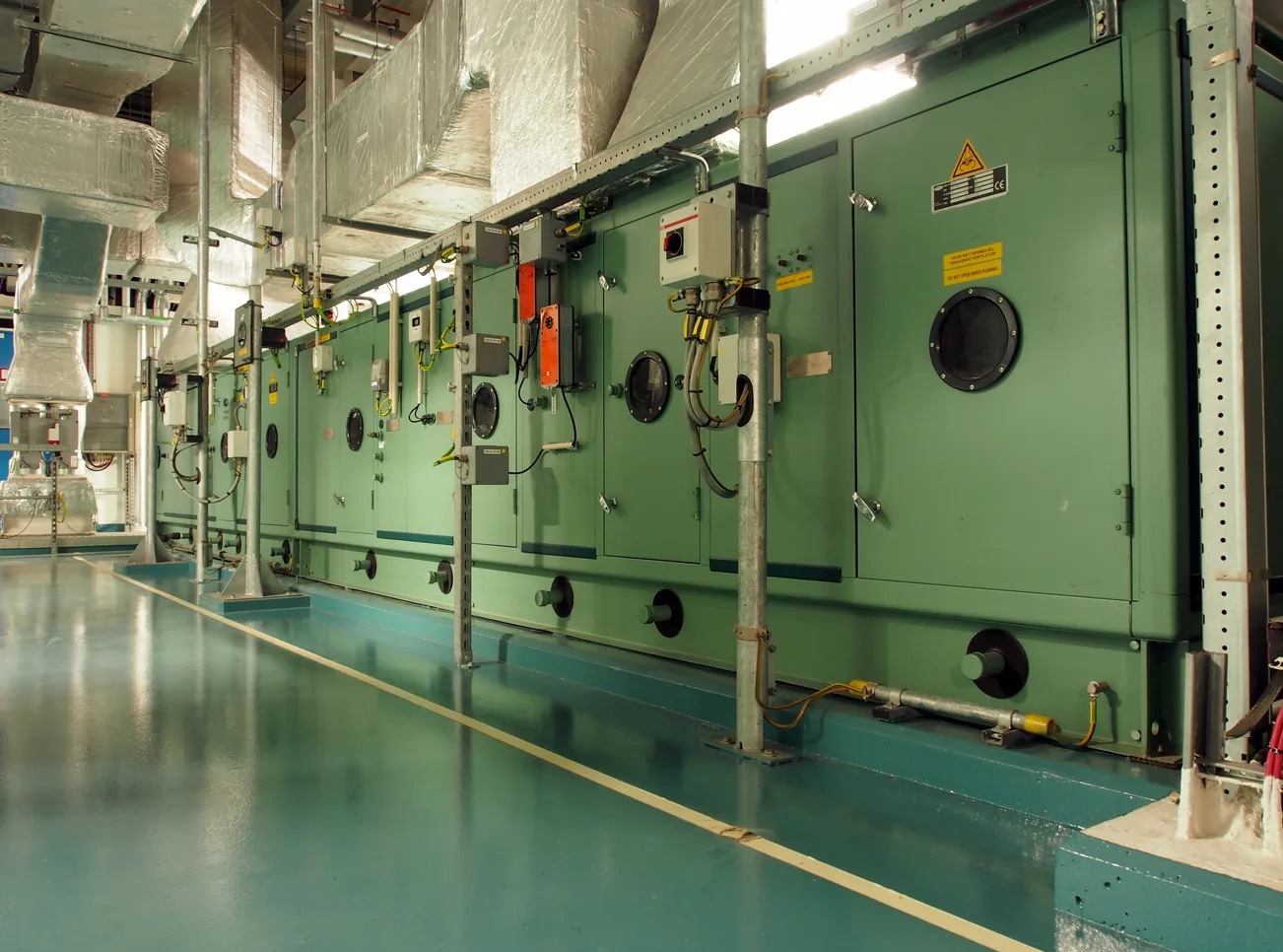
Trusted AC Unit Water Removal for Buffalo Ranch Residents
AC Unit Water Removal in Buffalo Ranch covers the whole leak, from removing standing water to drying wet materials and repairing drywall or trim afterward. Each step depends on how far the water traveled and how long it sat.
In Buffalo Ranch, AC leaks usually show up as ceiling stains under attic units, wet carpet near the furnace closet or water dripping from a vent. Help with AC unit water removal is available across Buffalo Ranch and in Spanish Trail, The Lakes and Siena, day or night, with extraction, drain clearing and drying.
AC Unit Water Removal Services in Buffalo Ranch
AC Leak Water Cleanup
Water from an overflowing air handler is extracted from the floor, closet or mechanical room, then nearby walls are checked with a moisture meter.
Air Conditioner Restoration Services
After drying, damaged drywall, trim or ceiling panels near the unit can be replaced and repainted.
AC Drain Pan Water Extraction
Both the primary pan and the secondary safety pan are emptied, and the pan is inspected for rust holes or cracks.
Emergency AC Water Removal
A sudden AC flood can soak a ceiling or floor in hours. Emergency removal gets the water out before it spreads into framing and insulation.
AC Leak Water Extraction
Water is removed from every wet surface the leak reached, including closets and rooms below an attic air handler.
When to Call for AC Unit Water Removal in Buffalo Ranch
Water on the Floor
A puddle around the air handler or furnace closet is the most direct sign of a leak.
Visible Mold Near AC
Dark spots on drywall or framing near the unit mean the area has stayed wet for days.
Wet AC Unit Components
Damp coils, a wet blower compartment or moisture around wiring inside the cabinet mean water is collecting where it should not.
Water Stains on Walls
Brown rings or peeling paint on the ceiling under an attic unit, or on walls near the closet, point to a slow leak.
How AC Unit Water Removal Works in Buffalo Ranch
Step 1: Leak Assessment
The pros find the source of the leak, check how far the water spread and take moisture readings.
Step 2: Source Stop and Water Removal
The drain is cleared or the leaking part isolated, then standing water is extracted from every wet area.
Step 3: System Drying and Dehumidification
Drying equipment runs until walls, floors and insulation test dry, with readings taken at each visit.
Step 4: Verification and Restoration
Final readings confirm the materials are dry, then damaged drywall, trim or ceiling panels can be replaced.
Common Causes of AC Unit Water Damage in Buffalo Ranch
High Static Pressure in Ducts
Restricted ducts can pull water off the coil and blow it into the cabinet or ductwork.
Failed Condensate Pump
Units that pump condensate uphill depend on a small pump. When it fails, the reservoir overflows.
Damaged AC Drain Pan
Metal pans rust through and plastic pans crack with age, letting water drip straight through.
Disconnected Drain Line
A drain line knocked loose in the attic or closet empties condensate onto the ceiling or floor.
AC Unit Water Removal Services for All Properties in Buffalo Ranch
Residential AC Unit Water Removal
For homeowners, the main risk is water soaking into insulation and drywall where no one sees it. Moisture meters find that hidden water so it can be dried before it causes rot.
Commercial AC Unit Water Removal
For property managers, one leaking unit can affect several suites or the floor below. Each wet area is extracted, dried and documented for the owner and insurer.
AC Unit Water Removal vs. DIY: When to Call the Pros
Pouring a cup of diluted vinegar into the drain line each season helps prevent algae clogs. Once water spreads past the unit into walls, ceilings or flooring, it is time to call local water damage pros for extraction and drying.
Estimating Your AC Unit Water Removal Cost in Buffalo Ranch
After-hours calls, the number of rooms affected, the drying time and any drywall or ceiling repairs all change the total for AC unit water removal in Buffalo Ranch.
Required Drying Time
Dense materials and enclosed spaces take longer to dry, which means more equipment days.
Secondary Damage Presence
Wet ceilings, swollen baseboards or damp framing add removal and repair work to the job.
Affected Component Count
The more of the system that got wet, such as the blower, panels and insulation, the more drying time is needed.
Does Insurance Cover AC Unit Water Removal?
Insurers often ask whether the leak was sudden or ongoing. A record of when the water was found, what it reached and how it was dried helps answer that question.
The Value of Local Pros for AC Unit Water Removal in Buffalo Ranch
Detailed Moisture Documentation
Photos and moisture readings are recorded at each visit to support your insurance claim.
Focus on Component Preservation
Wet blower motors and wiring are dried gently to lower the risk of corrosion and electrical faults.
Clear Process Communication
Each step is explained before work starts, so you know what is being removed and why.
24/7 AC Unit Water Removal for Emergencies in Buffalo Ranch
Do not wait for a stained ceiling to start sagging under the weight of the water. Call (702) 878-3744 now for AC unit water removal in Buffalo Ranch and get the drying started.
Call Now (702) 878-3744AC Unit Water Removal Service Area Including Buffalo Ranch
Other places served are listed below, each with its own page.
Common AC Unit Water Removal Questions Answered
Why document AC water damage?
Photos and moisture readings show what got wet and how it was dried, which helps your insurance claim.
What is involved in AC unit water removal?
Standing water is extracted, the condensate line is cleared, and wet materials are dried with air movers and dehumidifiers until moisture readings are normal.
How quickly should I deal with an AC leak?
Right away. Water that sits for more than a day or two soaks into drywall and insulation and raises the risk of microbial growth.
What clogs an AC condensate line?
Algae, sludge, dust and debris build up inside the line, especially over long cooling seasons, until water backs up into the pan.
Why does the drain pan need to be emptied?
A full pan overflows into ceilings and floors. Emptying and inspecting it stops the spill and shows whether the pan is cracked.